Beyond Borgmann: Single-Task Tools and the Future of Meaningful Technology
Borgmann's distinction between “things” and “devices” is crucial to understanding our relationship with technology. Traditional “things” demand engagement (like a fireplace), while modern “devices” promise effortless commodity delivery (like a smartphone).
But our contemporary technological landscape reveals a critical gap in this binary framework. “Single-task tools” combine technological capability with thing-like qualities of engagement.
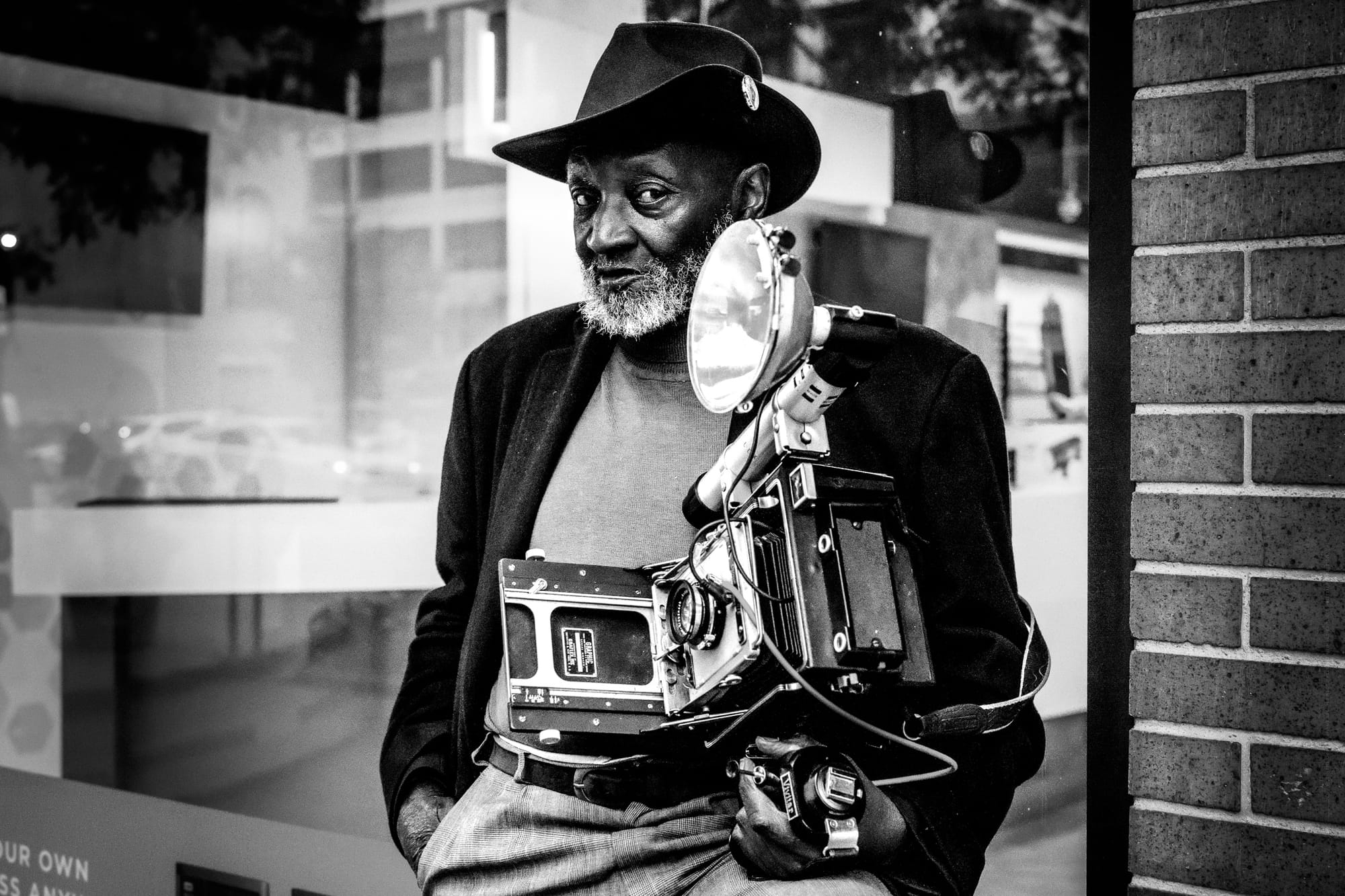
Think about the modern mirrorless camera: advanced technology with a single purpose. Unlike a smartphone's camera, which is embedded in an ecosystem of notifications and instant sharing, a dedicated camera serves its function then steps aside. Yes, some of its functioning is still a black box. But the photographer interacts with light, composition, and their surroundings. It requires work and context, like a fireplace would.

Using modern technology, a “single-task tool” echoes the profound engagement Borgmann celebrates in traditional crafts.
The Market's Blind Spot
The market pushes multi-function devices, driven by our lust for convenience and instant gratification. Masked as consumer demand, this drive reflects our lizard brain rather than our needs. The result? Endless “smart” devices promising an easier life while fragmenting attention and diminishing agency.
Yet, a counter-movement exists.
A dedicated e-reader with e-ink display. Pour-over coffee rather than plastic pods. A radio with three buttons for streaming music.
These “single-task tools” preserve intentionality by supporting human capability without exploiting attention or automating the embodied experience.
Productive Friction
Single-task tools aren't valuable for their limitations. Their power is in creating “humanizing friction”—small barriers forcing conscious engagement.
Loading a memory card or picking a device for one task aren't inconveniences to engineer away. They're features that transform mindless consumption into mindful practice.
Friction serves several purposes:
- Creates moments for contemplation (“Do I want to take pictures now?”)
- Enforces intentionality in tool selection
- Maintains clear boundaries between different activities
- Prevents the constant context-switching that plagues modern device use
A Design Philosophy for the Present
This understanding suggests a new approach to technology and UX design:
- Single-purpose functionality over feature multiplication
- User agency over automated convenience
- Skill development over friction removal
- Engagement with the world over interface engagement
- Tool transparency over constant presence
The goal isn't to remove technology, but to take charge of it. Each tool should serve one clear purpose, and then get out of the way. That's what allows users to focus on the activity rather than the tool, and on the world rather than an interface.
Practical Implementation
Does this approach address technology's systemic nature? History shows that paradigm shifts often begin with individual consciousness and practical alternatives.
That's why I'm convinced that what we need now is a framework that offers concrete guidance for both creating and choosing technology.
For designers:
- Instead of asking “What else can this do?” ask “What should this not do?”
- Design for engagement rather than efficiency
- Create meaningful friction that supports rather than obstructs the core purpose
- Focus on transparency after function delivery
For users:
- Choose tools based on how they shape attention and engagement
- Recognize that convenience isn't always beneficial
- Value productive friction as a feature rather than a bug
- Create intentional boundaries between different activities
We should create pockets of reflection and intentional use. In this way, single-task tools become a bridge toward the more profound engagement Borgmann envisions.
I'm not sure if or how these practices would scale beyond personal choice. We've never seen “humanizing friction” at the massive scale that characterizes our device-driven world. Perhaps that's telling—maybe meaningful engagement resists industrial scaling. The power of this approach begins with individual choices and small group dynamics. How (or whether) it might transform larger systems remains to be seen.
Looking Forward
Returning to traditional “things” is idealistic in today's world. Borgmann's insights about meaningful engagement are crucial, but complete rejection of devices isn't viable.
The path forward requires three key recognitions:
- We can't reverse technological progress, but we can shape its trajectory
- Engineers and designers have most agency in preserving focal practices
- Users can create intentional spaces for meaningful engagement
“Single-task tools” combine modern capabilities with traditional engagement. Not from nostalgia, but because they better serve human needs and values. In our fractured era, single-tasking becomes an act of self-care and intentional living.
The future of technology doesn't have to rush toward a totalizing “everything device.” Through individual choices and small group adoption, we can create spaces that preserve what makes us human.